

What if, with a simple twist, the fingering of chords and scales remained consistent across the guitar?
Such a twist exists,
and it is called all fourths tuning.
In all fourths tuning each open string is successively tuned a fourth up from the previous one. This distributes notes symmetrically across the fingerboard, and by doing that it greatly reduces the complexity of the instrument. The regular intervals allow for repeatable fingering patterns, so chords and scales remain consistent no matter where they are formed.
Tune your guitar to all fourths and dramatically reduce the effort required to understand, memorize and play chords, riffs and melodies.

A smoother learning curve
Being markedly less complex, all fourths considerably reduces the effort required to understand, memorize and play voicings, as it produces consistent results across the fingerboard.

Fewer scale boxes to memorize
All fourths reduces the fingerings for single note runs from five to one on pentatonic scales. Diatonic scales can go from seven to one.

Fewer fingerings for the same chords
All fourths greatly simplifies chord fingerings — two to three times fewer of them. That is three times more chords for the same effort.
Interested?
Reimagine the all fourths guitar fingerboard
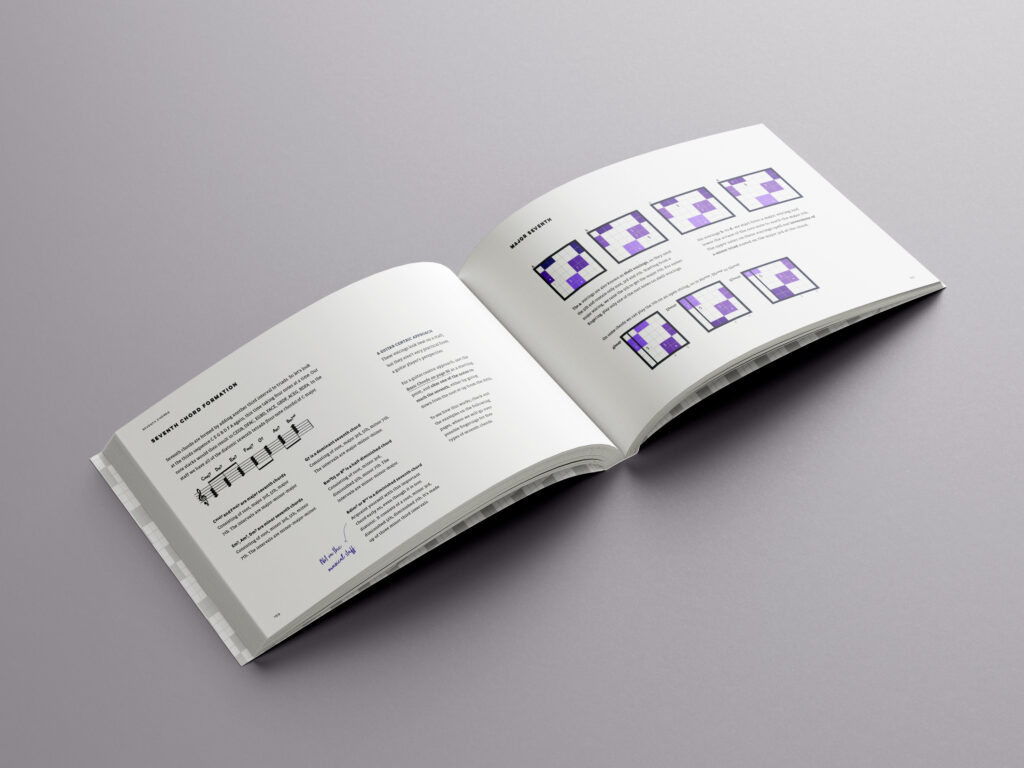
With the help of one of the most comprehensive books ever written on all fourths tuning, you will understand the all fourths fingerboard and see its musical symmetry. The book also gives you plenty of straightforward information on related music theory and jargon, so you stay connected to the music community — even if from a different angle.
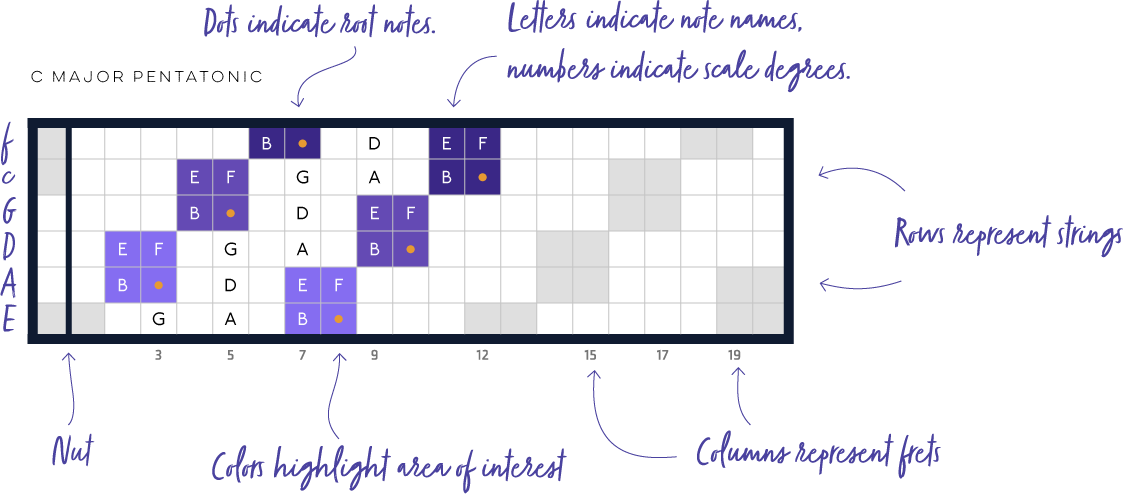
A practical, carefully structured and beautifully designed book with hundreds of colour diagrams
Comprehensive
Clear, warm language, straight to the point. 226 fully coloured pages.
Gradual and organized
Chapters run from elementary to advanced. Each one has a presentation, a development, a conclusion and a teacher’s corner.

Visual
The book helps you form a mental image of the fingerboard, so you can navigate it with clarity and confidence.
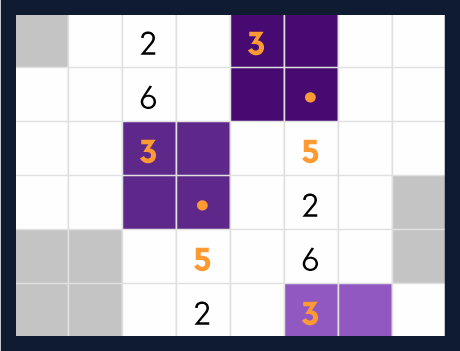
Consistent
Play chords and scales in any key across the neck using the same fingering.
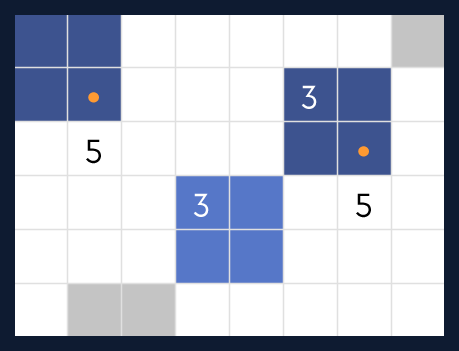
Connected
Use triads and inversions to connect chords smoothly and move around the fretboard.
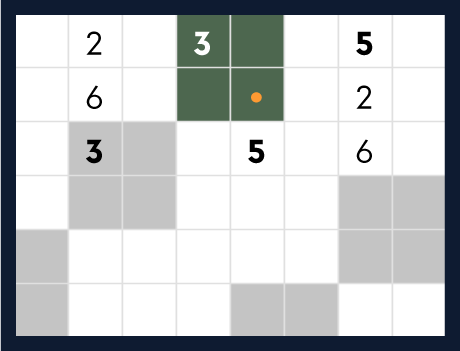
Anchored
Use triad inversions as anchors to play the changes in a progression, making your lines more musical.
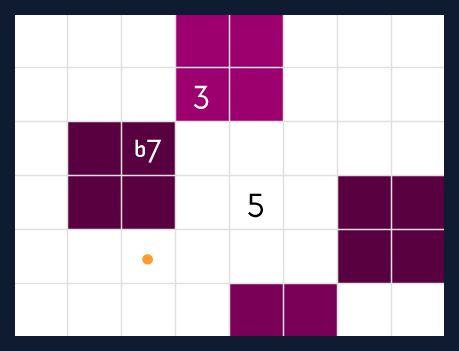
Intuitive
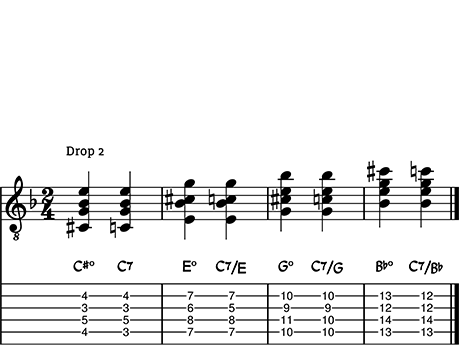
Understand the logic behind seventh chord inversions and never open a chord dictionary again.
Integrated
Follow standard guitar classes and trade musical ideas with other musicians, whatever tuning they use.
Consider this book if you
Are looking for a structured system to understand all fourths tuning
The idea of a consistent tuning is attractive, but you would rather not figure it all out by yourself. Give this book a shot; it might be exactly what you need.
Love the guitar but wish the fingerboard made more sense
There is a logic to standard tuning, but all fourths might make more sense to you. Why not try a different approach?
Do not want to burn musical bridges down
You want the benefits of a symmetrical tuning while staying connected to musical tradition and to the wider community of musicians.
Want to understand the fingerboard, not just memorize shapes
There are books and apps that hand you chords and scales. But maybe understanding how things work is more your style.
What’s inside
Chapters are ordered from elementary to advanced, each building on the previous ones. Every chapter opens with a presentation, develops the subject, closes with a conclusion, and ends with a Teacher’s Corner listing expected outcomes and suggested exercises.
We begin by comparing the layout of standard and all fourths tuning, presenting the fingerboard matrix used throughout the book, and making an honest assessment of whether all fourths suits you.
Here you are presented with three diatonic cycles and learn to locate any note or interval on demand.
Learn to play major, minor, diminished and augmented triads anywhere on the neck. Intervals and triads come up repeatedly, chapter after chapter. Not only are they at the origin of chord formation, they are an essential tool for navigating the guitar.
Straight to the point: you see the triads in action and learn how to form basic major and minor chords in any key.
A primer that prepares you to use the appropriate pentatonic scales when soloing over a tune, and to deal better with chord progressions. You will understand enharmonics, key signatures and transposition. By the end, the idea that a song has a key and can be transposed should be familiar.
The pentatonic scale is the most popular scale on the guitar. Here we use two approaches to the pentatonic pattern, a compact one and a fluid one. They can be played interchangeably anywhere on the neck.
Seventh chords are everywhere. We examine the formation of major, dominant, minor, half-diminished and diminished seventh chords. As in the basic chords chapter, it is not about listing hundreds of chords in a dictionary, but about using triads and their inversions to understand how seventh chords are formed.
As with the pentatonic scales, I show you interchangeable approaches to the same diatonic pattern.
Progressions lay out the foundation of scale degrees, harmonic functions and cadences, giving you the essential concepts and vocabulary for understanding harmony.
Take the progression where you want it to go. Here you learn to voice lead chord progressions seamlessly using triads and their inversions: progressions in fourths and fifths, ii–V–I, thirds and sixths, seconds and sevenths. I took the time to draw out the positions in detail, so this is the biggest chapter of them all.
This chapter complements the previous one by showing how pentatonic scales can be anchored to triads and their inversions. That lets you embellish triads and also use triad voice leading as a guide for playing the changes.
Moving on to advanced chord formation, you learn to use two simple diminished seventh chords to voice all inversions of major, minor, dominant, half-diminished and diminished seventh chords without resorting to a chord dictionary. Pat Martino would be proud of you.
To expand your harmonic vocabulary.
How to keep going once the book ends.
Will all fourths be a good fit for me?
Download the first chapter for free and find out more.
In the first chapter we compare the layout of both standard and all fourths tuning, present the fingerboard matrix used throughout the book, and offer a candid assessment on aspects like repertoire, learning and fingering. There are 28 considerations to help you figure out if all fourths would work for you.
Additionally, there is an overview of what you will find in each chapter of the book. I also included selected pages from other chapters so you can feel what the rest of the book is like.
FAQs
You get a PDF (11MB) file, with 226 pages, 14 chapters and hundreds of color diagrams, delivered immediately. Every buyer will receive all future revisions of this edition at no extra cost. All sales are final — download the free sample first.
Definitely not. Read the first chapter free to see how it fits your mindset and your style of playing.
No. All fourths players like me love the video of Allan Holdsworth saying that if he were starting out again he would tune his guitar to straight fourths. What I have noticed, though, is that most of those who switched to all fourths did it when they began to examine their instrument more closely, not when they were starting out.
This book assumes you are somewhat acquainted with the guitar, or that you are coming to the guitar from another instrument. Absolute beginners are better served by standard tuning and the enormous body of material built around it.
No. It covers the fingerboard and the theory attached to it. It does not cover technique, rhythm or repertoire.
You may reproduce individual pages for your own students, with the book credited. For anything more than that — or if you would like your students to have their own copies at a reduced price — write to me at ruy@allfourths.com.
No. The book runs from elementary to advanced and assumes you may be arriving from standard tuning.
No. It is a 226-page full-colour PDF, downloaded immediately after purchase. There is no print edition at present. It reads well on most tablets and computers; I would not recommend reading it on a phone. The file is watermarked with your email address and purchase date on each page. You may print it for your own use.
Yes, and you should. The free sample is a complete chapter plus pages from throughout the book. Read it here.
No. Once a PDF has been sent it cannot be returned, so no refunds are offered once the file has been delivered — which is exactly why the free sample exists. If your download fails or your file is damaged, write to me and I will fix it. If you have a question before buying, write to me at ruy@allfourths.com and I will answer it.
You get it. Every buyer receives every future revision of this edition at no extra cost.

Hi, I am Ruy
I am a professional designer with a master’s degree in visual arts. I am also a musician who has spent over a decade exploring all fourths tuning. Drawing on both disciplines, I developed a clear and structured system that helps guitarists understand — and reimagine — the fingerboard.
I would love to hear from you. Please contact me at ruy@allfourths.com for questions or comments.